IBS Treatment in 10 Minutes: Can You Really Relieve Irritable Bowel Syndrome So Quickly?
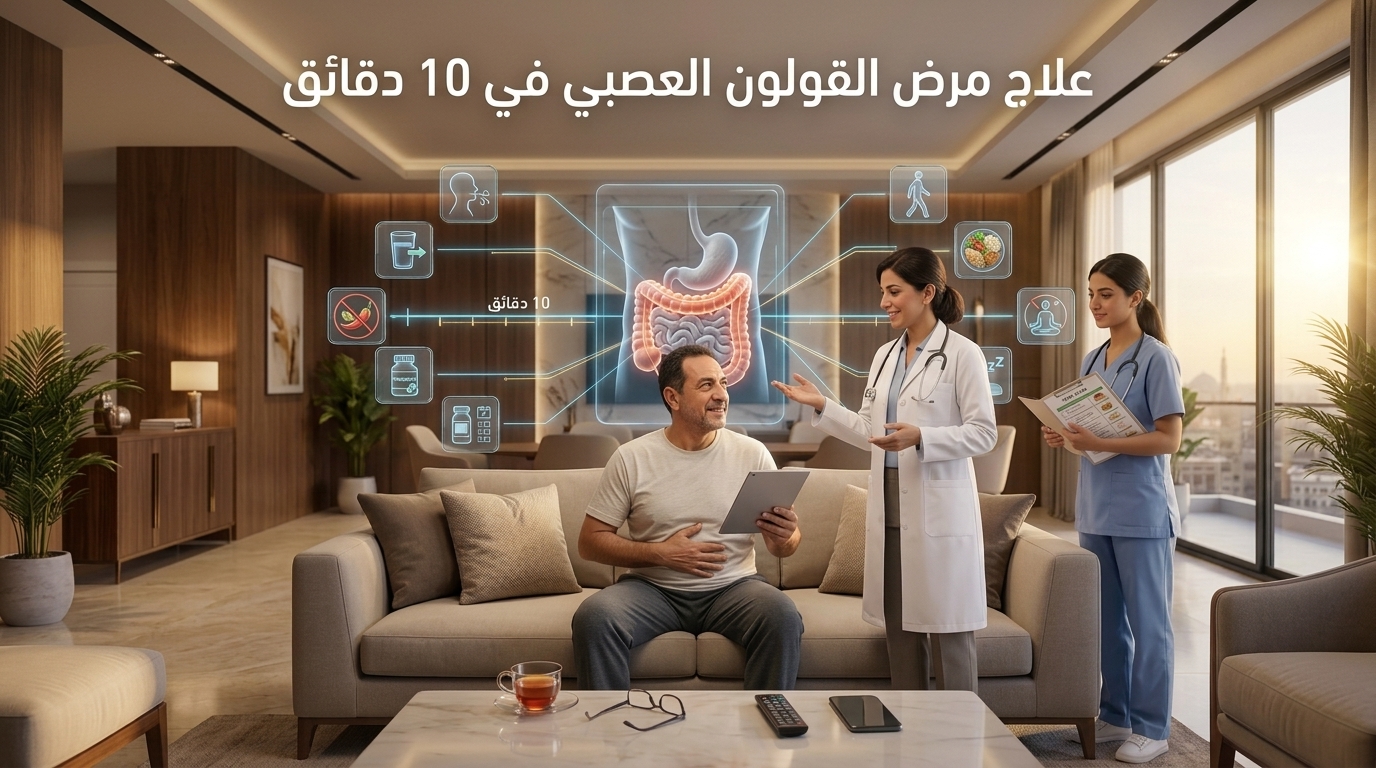
If you've been searching for IBS treatment in 10 minutes, you're probably looking for immediate relief from abdominal pain, bloating, gas, diarrhea, or constipation. While the idea of eliminating Irritable Bowel Syndrome (IBS) symptoms in just a few minutes sounds appealing, the medical reality is that IBS cannot be permanently cured in 10 minutes. However, it is possible to significantly reduce symptoms within a short period using effective strategies while following a long-term treatment plan.
In this article, you'll discover the truth behind the idea of treating IBS in 10 minutes, the fastest ways to relieve symptoms, the causes of IBS flare-ups, and the most effective treatment options for long-term symptom control.
Can IBS Be Treated in 10 Minutes?
The short answer is no—IBS cannot be cured permanently in just 10 minutes. However, if your symptoms are triggered by stress or certain foods, several simple techniques can provide noticeable relief within minutes.
How quickly symptoms improve depends on several factors, including:
-
The cause of the flare-up.
-
The severity of your symptoms.
-
The type of IBS (IBS with constipation, IBS with diarrhea, or mixed IBS).
-
Your commitment to healthy lifestyle habits.
Therefore, the goal of a "10-minute treatment" is symptom relief rather than a permanent cure.
What Is Irritable Bowel Syndrome (IBS)?
Irritable Bowel Syndrome (IBS) is a chronic disorder that affects the large intestine without causing structural damage or inflammation. It alters the way the digestive system functions, leading to recurring digestive discomfort.
People with IBS commonly experience:
-
Abdominal pain or cramping.
-
Bloating.
-
Excessive gas.
-
Constipation.
-
Diarrhea.
-
Changes in bowel habits.
Symptoms vary from person to person and often come and go over time.
Quick Ways to Relieve IBS Symptoms in 10 Minutes
Although complete treatment requires long-term management, the following strategies may help reduce discomfort quickly.
Practice Deep Breathing
Stress is one of the most common IBS triggers. Practicing deep breathing exercises for five to ten minutes can calm the nervous system and reduce intestinal spasms.
Drink a Glass of Warm Water
Warm water may help improve bowel movement and reduce bloating, especially if constipation is contributing to your symptoms.
Give Your Digestive System a Break
If your symptoms started after eating a large or heavy meal, avoiding additional food for a short period may allow your digestive system to settle.
Take a Short Walk
Light walking encourages intestinal movement, helps release trapped gas, and may reduce bloating and abdominal discomfort.
Apply a Warm Compress
Placing a heating pad or warm compress on your abdomen can relax intestinal muscles and help relieve cramping.
What Triggers IBS Flare-Ups?
Several factors can worsen IBS symptoms, including:
-
Emotional stress.
-
Fatty foods.
-
Spicy meals.
-
Carbonated beverages.
-
Excess caffeine.
-
Certain dairy products.
-
Poor sleep.
-
Physical inactivity.
-
Changes in daily routine.
Identifying your personal triggers is one of the most effective ways to prevent future flare-ups.
IBS Symptoms You Should Never Ignore
Common IBS symptoms include:
-
Recurring abdominal pain.
-
Severe bloating.
-
Excessive gas.
-
Constipation or diarrhea.
-
A feeling of incomplete bowel movements.
-
Mucus in the stool.
However, symptoms such as unexplained weight loss, blood in the stool, persistent fever, or anemia are not typical of IBS and require immediate medical evaluation.
Medical Treatment for IBS
Treatment depends on your specific symptoms and the type of IBS you have.
Your healthcare provider may recommend:
-
Antispasmodic medications.
-
Medications for constipation.
-
Anti-diarrheal medications.
-
Probiotics in selected cases.
-
Medications that help manage anxiety or depression when stress significantly contributes to symptoms.
Never start medication without consulting a healthcare professional.
The Best Diet for IBS
Nutrition plays a major role in controlling IBS symptoms.
General dietary recommendations include:
-
Eat smaller meals more frequently.
-
Chew food slowly.
-
Drink plenty of water.
-
Increase dietary fiber gradually if constipation is the main problem.
-
Reduce processed foods.
-
Limit saturated fats.
-
Avoid foods that personally trigger your symptoms.
In some cases, your doctor or dietitian may recommend following a Low FODMAP Diet, which has been shown to reduce IBS symptoms in many patients.
Does Stress Make IBS Worse?
Stress does not directly cause IBS, but it is one of the strongest triggers for symptom flare-ups.
When you're under stress, communication between the brain and the digestive system changes, which can lead to:
-
Increased intestinal spasms.
-
More abdominal pain.
-
Bloating.
-
Changes in bowel movements.
For this reason, stress management is considered an essential part of IBS treatment.
Tips to Prevent IBS Flare-Ups
Healthy lifestyle habits can significantly reduce the frequency of IBS symptoms.
Helpful recommendations include:
-
Eat meals at regular times.
-
Exercise regularly.
-
Sleep seven to nine hours each night.
-
Practice relaxation and stress management techniques.
-
Stay well hydrated.
-
Limit caffeine intake.
-
Avoid smoking.
-
Keep a food diary to identify and avoid personal trigger foods.
When Should You See a Doctor?
Although IBS itself is not considered a dangerous condition, some symptoms require immediate medical evaluation, including:
-
Severe or persistent abdominal pain.
-
Blood in the stool.
-
Unexplained weight loss.
-
Fever.
-
Persistent vomiting.
-
Difficulty swallowing.
-
New digestive symptoms appearing after the age of 50.
These warning signs may indicate a condition other than IBS that requires prompt diagnosis and treatment.
in the end Searching for IBS treatment in 10 minutes is understandable when you're dealing with sudden abdominal pain or bloating. However, the truth is that IBS is a chronic condition that requires ongoing management rather than an instant cure. Fortunately, simple strategies such as deep breathing, light walking, drinking warm water, and avoiding trigger foods can provide rapid symptom relief and improve your comfort within minutes.
If your IBS symptoms occur frequently or interfere with your quality of life, don't rely solely on temporary solutions. Consult a gastroenterologist or healthcare provider to develop a personalized treatment plan that includes dietary adjustments, lifestyle changes, stress management, and medication when necessary.
Frequently Asked Questions About IBS Treatment in 10 Minutes
Can IBS be cured permanently in 10 minutes?
No. IBS cannot be permanently cured in 10 minutes. However, certain techniques can provide fast relief from symptoms.
What is the fastest way to calm an IBS flare-up?
Deep breathing exercises, applying heat to the abdomen, taking a short walk, drinking warm water, and temporarily avoiding heavy meals may help relieve symptoms quickly.
Does drinking water help with IBS?
Yes. Staying hydrated, especially by drinking warm water, may improve digestion and relieve constipation, although it is not a cure for IBS.
Does stress make IBS worse?
Yes. Stress is one of the most common triggers of IBS symptoms and can worsen abdominal pain, bloating, and bowel irregularities.
Which foods should people with IBS avoid?
Many people with IBS benefit from limiting fatty foods, fried foods, carbonated drinks, excessive caffeine, spicy meals, and any foods that consistently trigger their symptoms.