Best Treatment for Irritable Bowel Syndrome
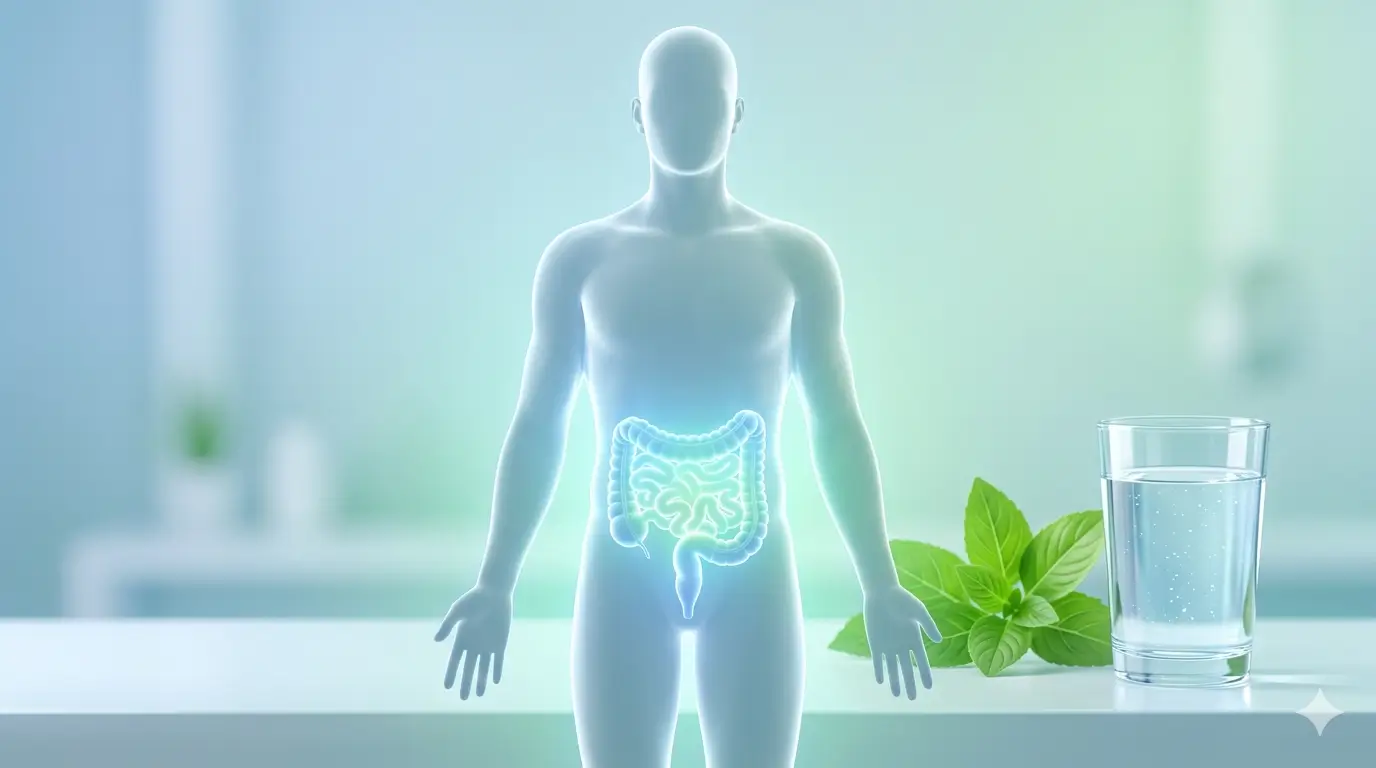
Many people suffer from symptoms of Irritable Bowel Syndrome that can affect daily comfort and quality of life, especially with recurring bloating, abdominal pain, gas, or ongoing digestive problems. Symptoms of Irritable Bowel Syndrome vary from person to person. Some people suffer from constipation, while others experience diarrhea or recurring cramps after eating or during stressful situations.
Although Irritable Bowel Syndrome is not considered a serious disease, ignoring the symptoms may make them more uncomfortable over time. That is why many people search for the best treatment for Irritable Bowel Syndrome to help relieve symptoms and improve daily life.
How Does the Best Treatment for Irritable Bowel Syndrome Help Relieve Symptoms?
The best treatment for Irritable Bowel Syndrome depends on reducing the factors that irritate the digestive system and improving daily habits that affect colon health. Many people notice symptom improvement when they organize their meals, reduce stress, and avoid foods that increase bloating and cramps.
Drinking enough water, getting adequate sleep, and staying physically active are also habits that may help calm the colon and reduce symptoms noticeably.
What Is Irritable Bowel Syndrome and Why Do Symptoms Increase?
Irritable Bowel Syndrome is a common disorder that affects the large intestine and impacts how the digestive system works.
Symptoms may include:
Bloating and excessive gas
Abdominal pain or cramps
Constipation or diarrhea
Feeling uncomfortable after eating
Frequent digestive issues
In many cases, simple dietary and lifestyle changes can significantly reduce symptoms.
Treating Irritable Bowel Syndrome in 10 Minutes
There may not be an instant treatment that completely eliminates Irritable Bowel Syndrome within minutes
Some methods that may help include:
Drinking warm beverages such as peppermint or anise tea
Avoiding spicy and fatty foods
Taking deep breaths and reducing stress
Light walking after meals
Avoiding carbonated drinks and excessive caffeine
In some cases, doctors may prescribe medications that help reduce cramps and improve bowel movement.
Treatment of Irritable Bowel Syndrome in Women
Many women experience recurring symptoms of Irritable Bowel Syndrome, and symptoms may worsen during stressful periods or hormonal changes.
Reducing stress and anxiety
Avoiding foods that irritate the colon
Drinking enough water
Exercising regularly
In some cases, women may need to consult a doctor if symptoms become severe or continue for a long time.
Psychological Treatment for Irritable Bowel Syndrome
Mental health has a major impact on symptoms of Irritable Bowel Syndrome. Many people notice increased bloating or abdominal pain during periods of stress or anxiety.
For this reason, psychological treatment for Irritable Bowel Syndrome does not depend only on medications, but also includes:
Improving sleep quality
Reducing daily stress
Practicing relaxation exercises
Organizing meal schedules
Avoiding overthinking and ongoing stress
In some cases, psychological support or behavioral therapy may help improve symptoms significantly.
Treatment for Irritable Bowel Syndrome
Treatment for Irritable Bowel Syndrome focuses on relieving symptoms and controlling the factors that trigger colon irritation. Therefore, treatment differs from one person to another depending on the type and severity of symptoms.
Some important tips that may help control symptoms include:
Eating light and healthy meals
Reducing fatty and spicy foods
Drinking water regularly
Staying physically active
Avoiding smoking and excessive caffeine
Doctors may also prescribe medications that help reduce cramps or improve digestion depending on each patient’s condition.
Foods That Help Calm Irritable Bowel Syndrome
Some foods may help calm symptoms of Irritable Bowel Syndrome, including:
Rice and plain pasta
Cooked vegetables
Bananas
Yogurt
Oatmeal
Peppermint and anise
Grilled chicken or light meats
Foods to Avoid for People with Irritable Bowel Syndrome
Some foods may worsen bloating and cramps, including:
Spicy foods
Fried and fatty foods
Carbonated drinks
Excessive caffeine
Fast food
Legumes for some people
Highly seasoned foods
Over time, each person may discover which foods trigger their symptoms the most.
Does Mental Health Affect Irritable Bowel Syndrome?
Yes, mental health is one of the biggest factors that affect Irritable Bowel Syndrome symptoms. Stress, anxiety, emotional pressure, or lack of rest may significantly increase bloating, abdominal pain, and digestive problems.
That is why many people notice that their symptoms worsen during stressful periods or excessive thinking. Improving mental health and reducing daily stress may help calm symptoms significantly.
Does Sleeping After Eating Irritate the Colon?
Sleeping immediately after eating may cause bloating and discomfort for some people with Irritable Bowel Syndrome. It may also increase indigestion and acidity.
For this reason, it is recommended to wait at least two hours after eating before sleeping and avoid heavy meals late at night, as this may improve digestion and reduce colon irritation.
Conclusion
Irritable Bowel Syndrome is one of the most common digestive disorders, and its symptoms vary from person to person. Although the symptoms may sometimes be uncomfortable, they can often be controlled through healthy eating habits, stress reduction, and maintaining a healthy daily routine. If symptoms continue or worsen, it is recommended to consult a doctor for proper diagnosis and treatment.
Frequently Asked Questions About Irritable Bowel Syndrome
Is diet alone enough to treat Irritable Bowel Syndrome?
Organizing meals may help reduce symptoms significantly, but some cases may also require lifestyle changes or medical treatment prescribed by a doctor.
Does stress cause Irritable Bowel Syndrome?
Stress and anxiety are among the most common factors that may worsen symptoms such as bloating and abdominal pain.
Is fasting beneficial for people with Irritable Bowel Syndrome?
Some people may notice better digestion during fasting, but the type of food eaten after breaking the fast remains important.
Does exercise improve Irritable Bowel Syndrome?
Yes, exercise and daily movement may help improve digestion, reduce stress, and calm symptoms of Irritable Bowel Syndrome.