Stomach Cancer Treatment A Complete Guide to the Latest Treatment
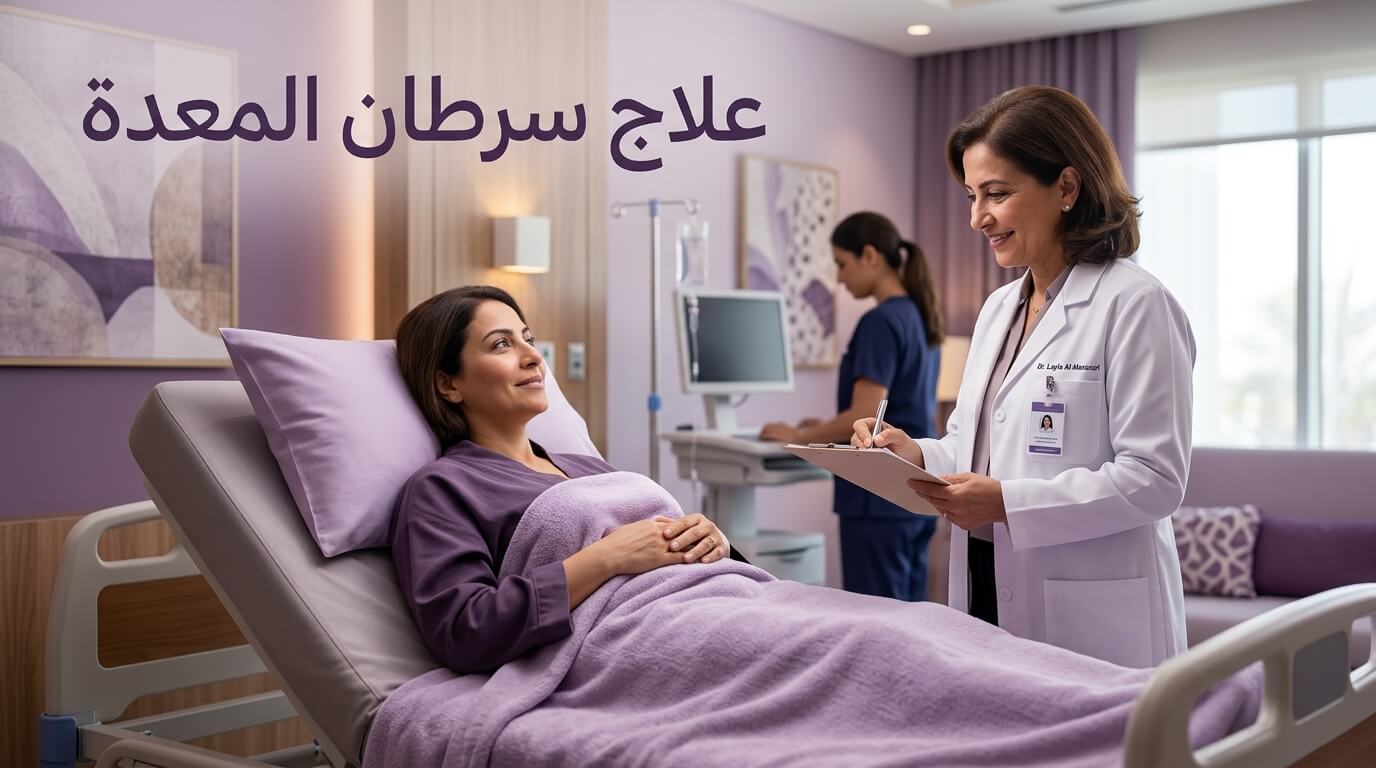
A diagnosis of stomach cancer can be overwhelming, but advances in modern medicine have significantly improved treatment outcomes and survival rates, especially when the disease is detected in its early stages. Today, several effective treatment options are available, allowing doctors to develop personalized treatment plans based on each patient's condition.
The most appropriate stomach cancer treatment depends on several factors, including the stage of the cancer, the location of the tumor within the stomach, whether the disease has spread, and the patient's overall health. For this reason, there is no single treatment that is suitable for everyone. Instead, each patient receives an individualized treatment plan designed to achieve the best possible outcome.
What Is Stomach Cancer?
Stomach cancer occurs when abnormal cells begin growing uncontrollably in the lining of the stomach. In many cases, the disease develops gradually and may not cause noticeable symptoms during its early stages. Without early diagnosis and treatment, the cancer can spread deeper into the stomach wall, nearby lymph nodes, and eventually other organs.
When Does Stomach Cancer Treatment Begin?
Treatment begins after a complete diagnostic evaluation has determined the exact stage of the disease. This assessment usually includes:
-
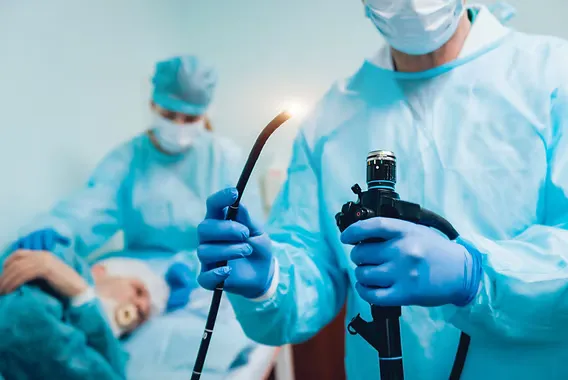
Upper gastrointestinal endoscopy with biopsy.
-
CT scan.
-
MRI in selected cases.
-
Blood tests.
-
PET scan when necessary.
-
Evaluation of the patient's overall health.
Once staging is complete, a multidisciplinary medical team develops the most appropriate treatment plan.
What Are the Best Treatment Options for Stomach Cancer?
The choice of treatment depends primarily on the stage of the disease. Some patients require a single treatment method, while others benefit from a combination of therapies.
Surgery
Surgery is considered the primary treatment for many patients with localized stomach cancer that has not spread to distant organs.
Surgical procedures may include:
-
Partial gastrectomy (removal of part of the stomach).
-
Total gastrectomy (removal of the entire stomach).
-
Removal of nearby lymph nodes.
-
Reconstruction of the digestive tract to restore normal digestion.
The type of surgery depends on the tumor's location, size, and extent.
Chemotherapy for Stomach Cancer
Chemotherapy uses medications to destroy cancer cells or slow their growth.
It may be recommended:
-
Before surgery to shrink the tumor.
-
After surgery to eliminate remaining cancer cells.
-
As the primary treatment for advanced-stage cancer.
-
Combined with radiation therapy in selected cases.
The number of chemotherapy cycles depends on the cancer type and the patient's response to treatment.
Radiation Therapy
Radiation therapy uses high-energy rays to destroy cancer cells.
It may be used to:
-
Reduce tumor size before surgery.
-
Lower the risk of cancer recurrence.
-
Relieve pain, bleeding, or other symptoms in advanced cases.
Targeted Therapy
Targeted therapy is one of the latest advances in stomach cancer treatment. It works by targeting specific proteins or genetic changes found in cancer cells while minimizing damage to healthy tissue.
Before starting targeted therapy, specialized laboratory tests are performed to determine whether the tumor has the appropriate molecular markers.
Immunotherapy
Immunotherapy helps the body's immune system recognize and attack cancer cells.
However, it is not suitable for every patient. Specific biomarker testing is required to determine whether immunotherapy is likely to be effective, particularly in advanced or metastatic stomach cancer.
Can Stomach Cancer Be Treated Without Surgery?
In some patients, surgery may not be possible because of advanced disease or other medical conditions.
Alternative treatment options may include:
-
Chemotherapy.
-
Targeted therapy.
-
Immunotherapy.
-
Radiation therapy.
-
Palliative care to improve quality of life.
The appropriate treatment depends on each patient's individual circumstances.
Treatment According to the Stage of Stomach Cancer
Each stage requires a different treatment strategy.
Stage I
At this stage, the tumor is confined to the stomach, and cure rates are generally high. Surgery is usually the primary treatment, sometimes followed by chemotherapy.
Stages II and III
Patients often receive chemotherapy before and after surgery, along with surgical removal of the tumor and affected lymph nodes.
Stage IV
When the cancer has spread to distant organs, treatment focuses on controlling disease progression, relieving symptoms, extending survival, and maintaining quality of life.
Symptoms That Require Medical Evaluation
Early stomach cancer may not cause noticeable symptoms. As the disease progresses, patients may experience:
-
Persistent upper abdominal pain.
-
Loss of appetite.
-
Unexplained weight loss.
-
Feeling full after eating small amounts.
-
Difficulty swallowing in some cases.
-
Nausea or vomiting.
-
Blood in the stool.
-
Anemia and persistent fatigue.
Although these symptoms do not necessarily indicate stomach cancer, they should always be evaluated by a healthcare professional.
What Is the Survival Rate for Stomach Cancer?
Survival rates depend on several important factors, including:
-
Stage of diagnosis.
-
Tumor type.
-
Patient's age.
-
Overall health.
-
How quickly treatment begins.
-
Response to therapy.
Early detection significantly increases the likelihood of successful treatment and long-term survival.
Can Stomach Cancer Return After Treatment?
Yes. Some patients may experience recurrence after treatment, which is why regular follow-up is essential.
Follow-up care typically includes:
-
Physical examinations.
-
Imaging studies when necessary.
-
Blood tests.
-
Monitoring for new symptoms.
Routine follow-up helps detect recurrence as early as possible.
Diet During Stomach Cancer Treatment
Nutrition plays an important role in supporting recovery during treatment.
Patients are generally advised to:
-
Eat small, frequent meals.
-
Increase protein intake.
-
Stay well hydrated.
-
Avoid heavy, fatty foods.
-
Eat fruits and vegetables according to medical advice.
-
Consult a registered dietitian if significant weight loss occurs.
Patients who undergo total gastrectomy may require specialized dietary plans and nutritional supplements.
Tips to Improve Treatment Outcomes
Patients can support their recovery by:
-
Following the prescribed treatment plan.
-
Attending all follow-up appointments.
-
Reporting side effects promptly.
-
Remaining physically active when appropriate.
-
Quitting smoking.
-
Avoiding alcohol.
-
Seeking emotional and psychological support from family or healthcare professionals.
in the end Stomach cancer treatment depends on accurate diagnosis and a personalized treatment strategy tailored to each patient's condition. Thanks to ongoing advances in surgery, chemotherapy, targeted therapy, and immunotherapy, treatment outcomes have improved considerably, especially when the disease is diagnosed early. Paying attention to warning symptoms, seeking medical evaluation promptly, and following the recommended treatment plan can significantly improve recovery and long-term survival.
Frequently Asked Questions
Can stomach cancer be cured?
Yes. Many patients can be successfully treated, particularly when stomach cancer is diagnosed in its early stages.
How long does stomach cancer treatment take?
Treatment duration varies depending on the stage of the disease and the treatment approach. Combined surgery, chemotherapy, and radiation therapy may require several months.
Is chemotherapy painful?
Chemotherapy itself is generally not painful during administration, although some side effects may occur. Most side effects can be managed effectively with modern medications.
Can people live normally after stomach removal surgery?
Yes. Many patients return to normal daily activities after recovery by following dietary recommendations and, in some cases, taking vitamin and nutritional supplements.
Does every stomach cancer patient need immunotherapy?
No. Immunotherapy is appropriate only for selected patients whose tumors meet specific biological criteria.
What should a stomach cancer patient eat during treatment?
Patients are usually advised to eat small, frequent meals rich in protein, drink plenty of fluids, consume fruits and vegetables as recommended by their healthcare team, and avoid fatty or spicy foods.
What symptoms of stomach cancer require immediate medical attention?
Persistent stomach pain, unexplained weight loss, difficulty swallowing, early fullness after meals, nausea, vomiting, blood in the stool, anemia, and long-lasting indigestion should all be evaluated by a physician.
Does stomach removal affect daily life?
Most patients are able to return to their normal routines after recovery. However, they often need to eat smaller meals, adjust their diet, and may require long-term vitamin or nutritional supplementation as recommended by their healthcare provider.