Treating Acid Reflux PermanentlyEverything You Need to Know
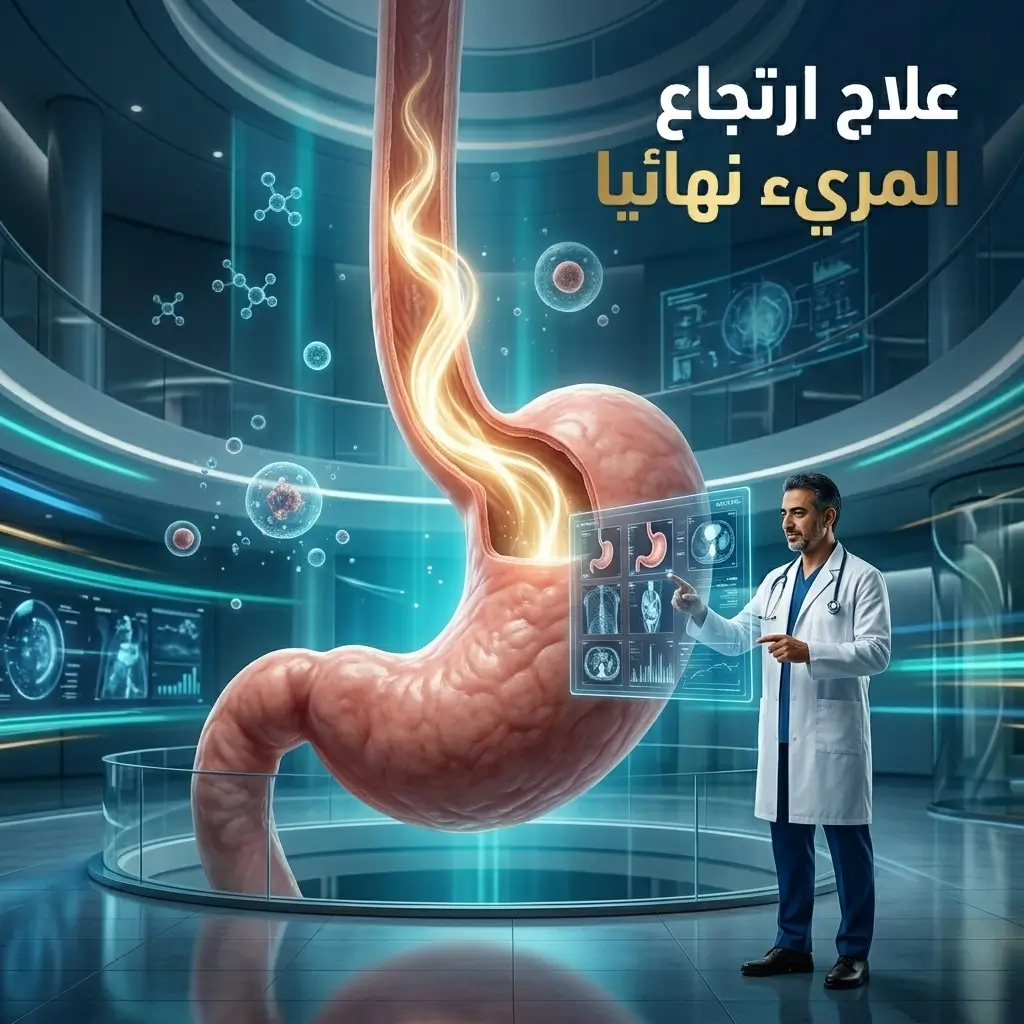
Acid reflux is a common condition that affects many people, including adults, children, and even infants. It occurs when stomach acid flows back into the esophagus, causing heartburn and uncomfortable symptoms that can affect daily comfort and quality of life. Although acid reflux is not usually life-threatening, neglecting treatment may lead to chronic complications such as esophagitis or esophageal ulcers.
In this article, we will discuss in detail how to treat acid reflux permanently, its main causes and symptoms, treatment tips for adults and infants, and the best natural and medical approaches to effectively control the condition and improve esophageal health.
What Is Acid Reflux?
Acid reflux is a common condition that occurs when stomach acid or partially digested food flows back into the esophagus, causing heartburn, acidity, and discomfort in the chest.
This usually happens because of a weakened lower esophageal sphincter (LES), the muscle responsible for keeping stomach contents from moving back into the esophagus.
If left untreated, acid reflux may lead to:
-
Chronic inflammation of the esophagus
-
Small ulcers in the esophageal lining
-
Precancerous changes known as Barrett’s Esophagus
-
Difficulty swallowing
-
Persistent hoarseness
Understanding the nature of acid reflux can help prevent complications and control symptoms before they worsen.
Ways to Treat Acid Reflux Permanently
Acid reflux can often be managed effectively through lifestyle modifications, dietary changes, and avoiding habits that trigger acid backflow. In some cases, doctors may prescribe medications that reduce stomach acid production and protect the esophagus from ongoing irritation.
Important Tips for Treating Acid Reflux
-
Eat smaller, more frequent meals instead of large meals.
-
Elevate your head slightly while sleeping.
-
Maintain a healthy body weight.
-
Avoid smoking.
-
Limit caffeine and carbonated beverages.
-
Engage in regular physical activity.
-
Consult a doctor if symptoms persist.
Combining these measures can significantly reduce symptoms and may contribute to treating acid reflux permanently or effectively controlling it over the long term.
Causes of Acid Reflux
Several factors can contribute to the development of acid reflux, including:
Weak Lower Esophageal Sphincter
A weakened LES allows stomach acid to flow back into the esophagus more easily.
Increased Pressure on the Stomach
This may result from:
-
Obesity
-
Pregnancy
-
Wearing tight clothing
Certain Foods and Beverages
Such as:
-
Fatty foods
-
Spicy foods
-
Chocolate
-
Coffee
-
Carbonated drinks
Smoking and Alcohol
Both can weaken the lower esophageal sphincter and worsen reflux symptoms.
Certain Medications
Including some heart medications and nonsteroidal anti-inflammatory drugs (NSAIDs).
Having multiple risk factors may increase the severity of symptoms and the likelihood of complications.
Can Acid Reflux Cause Death?
Acid reflux itself rarely causes death. However, untreated acid reflux can lead to serious complications, including:
-
Chronic esophagitis
-
Esophageal ulcers
-
Esophageal bleeding
-
Narrowing of the esophagus
-
Increased risk of esophageal cancer in certain chronic cases
Early diagnosis and proper treatment significantly reduce these risks.
Symptoms of Acid Reflux
Common symptoms include:
-
Persistent heartburn after eating or when lying down
-
Acid or food regurgitation into the mouth with a sour taste
-
Difficulty or pain when swallowing
-
Chronic cough
-
Hoarseness
-
Bloating and a feeling of fullness after meals
If symptoms occur more than twice a week, medical evaluation is recommended.
Treatment of Acid Reflux in Infants
Acid reflux may occur in infants because the lower esophageal sphincter is not yet fully developed.
Symptoms may be managed by:
-
Providing smaller, more frequent feedings
-
Keeping the baby upright after feeding
-
Monitoring the type of milk being used
-
Consulting a pediatrician if symptoms are severe
Most infant reflux cases improve naturally during the first year of life as the digestive system matures.
Can Acid Reflux Be Treated Permanently Without Medication?
In some cases, symptoms can be controlled effectively without medication through:
-
Regulating meal sizes
-
Avoiding trigger foods
-
Elevating the head during sleep
-
Maintaining a healthy weight
-
Avoiding smoking
-
Reducing caffeine and carbonated drinks
These measures may significantly reduce symptoms for many individuals.
Best Foods to Reduce Acid Reflux Symptoms
Certain foods may help soothe the stomach and reduce acidity, including:
-
Boiled rice
-
Plain pasta
-
Cooked vegetables such as carrots and zucchini
-
Bananas
-
Natural yogurt
-
Oatmeal
-
Herbal drinks such as anise
-
Lean grilled meats such as chicken
It is best to avoid fatty foods, fried foods, and heavy sauces, especially before bedtime.
Does Sleeping After Eating Worsen Acid Reflux?
Yes. Lying down immediately after eating can increase acid backflow into the esophagus and trigger heartburn and discomfort.
To reduce symptoms:
-
Wait at least two hours after eating before going to bed.
-
Elevate your head while sleeping.
-
Avoid heavy evening meals.
These habits can improve digestion and reduce irritation of the esophagus.
Tips for Treating Acid Reflux Permanently
To effectively reduce symptoms:
-
Avoid spicy and fatty foods.
-
Stay away from carbonated beverages.
-
Maintain a healthy weight.
-
Avoid lying down immediately after meals.
-
Elevate your head while sleeping.
-
Exercise regularly.
-
Follow your doctor’s recommendations.
in the end Acid reflux is a common condition that can often be managed successfully with proper treatment and lifestyle modifications. Paying attention to your diet, avoiding habits that worsen acid reflux, and following medical advice can help treat acid reflux permanently in some cases or significantly reduce symptoms and improve daily quality of life.
Frequently Asked Questions About Acid Reflux
Is Acid Reflux Dangerous?
Acid reflux is usually not life-threatening, but it can lead to complications if left untreated for long periods.
Can Stress and Anxiety Worsen Acid Reflux?
Yes. Stress and anxiety may increase symptoms such as heartburn, chest discomfort, and bloating.
Does Sleeping After Eating Cause Acid Reflux?
Yes. Going to bed immediately after eating increases the likelihood of acid flowing back into the esophagus.
What Is the Best Sleeping Position for Acid Reflux?
The best position is to elevate the head and upper body by approximately 15–20 cm while sleeping. This helps reduce acid reflux and nighttime heartburn.