Gastric Cancer Early Symptoms, Causes, Diagnosis, and Treatment
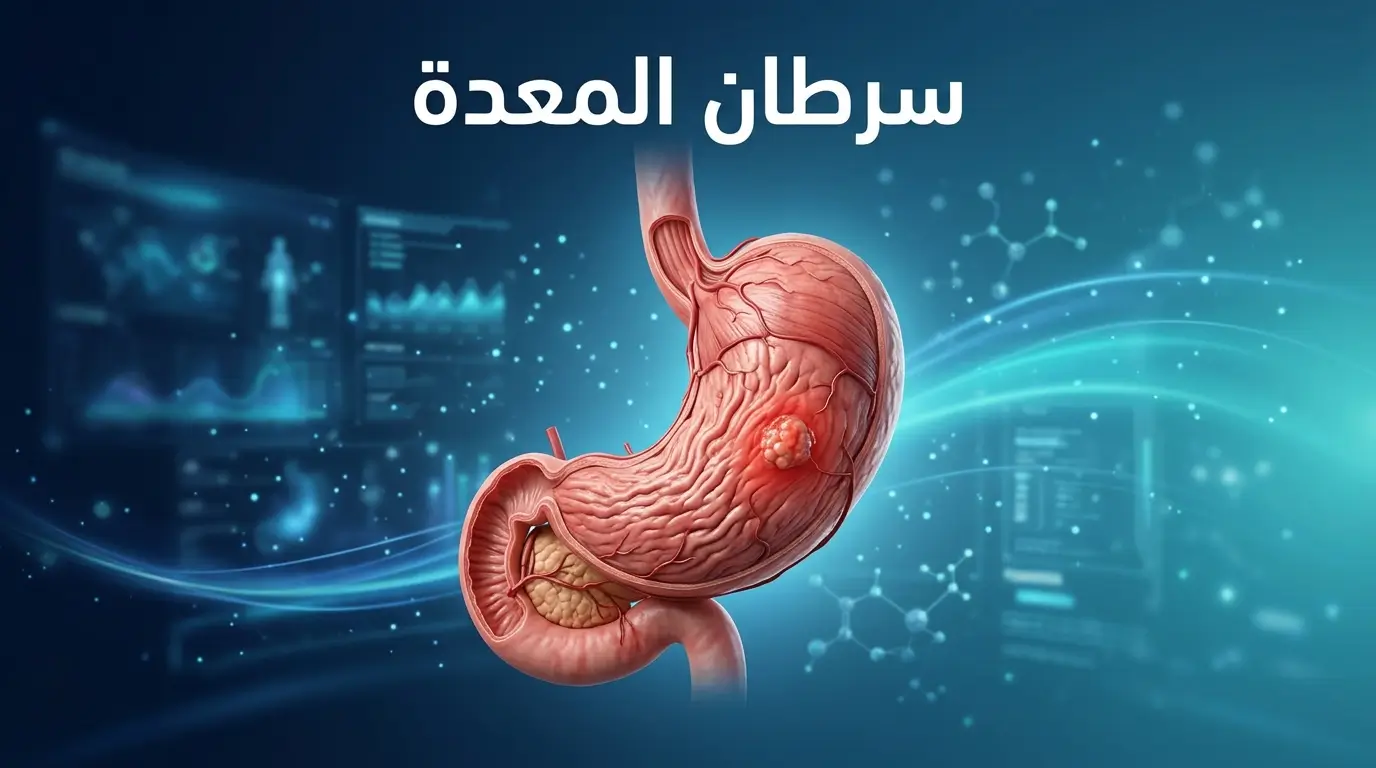
Stomach cancer is a disease that develops when abnormal cells grow uncontrollably in the lining of the stomach and gradually become cancerous. Although this type of cancer often develops slowly over many years, early detection can significantly improve treatment outcomes and increase the chances of recovery.
The danger of stomach cancer lies in the fact that its early symptoms may be mild or similar to common digestive problems such as heartburn or indigestion, leading to delayed diagnosis in some patients. Understanding the early symptoms, risk factors, and preventive measures can help improve the chances of early detection and timely treatment.
In this article, we will discuss What Is Stomach Cancer, the most common Symptoms of Stomach Cancer, the main Causes of Stomach Cancer, answer the question Is Stomach Cancer Dangerous?, explore the key Signs of Stomach Cancer, and review modern methods of diagnosis and treatment.
What Is Stomach Cancer?
Stomach cancer occurs when abnormal cells grow within the stomach tissues, forming malignant tumors that may spread to other parts of the body if not diagnosed and treated early.
The disease usually begins in the inner lining of the stomach and may gradually spread to deeper layers, nearby organs, or lymph nodes.
The most common type is adenocarcinoma of the stomach, which accounts for the majority of stomach cancer cases worldwide.
Early Symptoms of Stomach Cancer
The Symptoms of Stomach Cancer in its early stages are often vague, making early detection difficult without proper medical evaluation.
Common early symptoms include:
-
Frequent indigestion
-
Persistent heartburn
-
Bloating after meals
-
Feeling full quickly
-
Loss of appetite
-
Recurrent nausea
-
Pain or discomfort in the upper abdomen
-
Frequent burping
Because these symptoms can resemble common digestive disorders, persistent symptoms should not be ignored.
Signs of Stomach Cancer That Should Not Be Ignored
Many people search for Signs of Stomach Cancer that may indicate a serious health problem.
Important warning signs include:
-
Unexplained weight loss
-
Persistent fatigue and weakness
-
Anemia
-
Noticeable loss of appetite
-
Ongoing stomach pain
-
Feeling full after eating small amounts of food
-
Difficulty swallowing in some cases
Recognizing these signs early can improve the chances of successful diagnosis and treatment.
Advanced Symptoms of Stomach Cancer
As the disease progresses, symptoms may become more severe and noticeable.
Advanced symptoms may include:
-
Recurrent vomiting
-
Vomiting blood
-
Black stools caused by internal bleeding
-
Severe stomach pain
-
Difficulty swallowing
-
Significant weight loss
-
General weakness and exhaustion
-
Abdominal swelling in advanced stages
These symptoms require immediate medical attention.
Causes of Stomach Cancer
Many patients wonder about the Causes of Stomach Cancer and the factors that increase the risk of developing the disease.
Helicobacter pylori Infection
Chronic infection with Helicobacter pylori is one of the most important risk factors associated with stomach cancer.
Smoking
Smoking significantly increases the risk of developing many cancers, including stomach cancer.
Unhealthy Diet
Frequent consumption of:
-
Smoked foods
-
Processed meats
-
High-salt foods
may increase the risk of stomach cancer over time.
Family History
Having close relatives diagnosed with stomach cancer may increase an individual's risk.
Chronic Gastritis
Long-term inflammation or atrophy of the stomach lining may contribute to cancer development.
Aging
The risk of stomach cancer increases significantly after the age of 50.
Who Is More Likely to Develop Stomach Cancer?
Certain groups are at higher risk, including:
-
Smokers
-
People with chronic H. pylori infection
-
Individuals with a family history of stomach cancer
-
Patients with chronic stomach inflammation
-
People who consume large amounts of processed and salty foods
-
Men, particularly in certain age groups
Is Stomach Cancer Dangerous?
One of the most common questions is: Is Stomach Cancer Dangerous?
The seriousness of stomach cancer depends largely on how early it is diagnosed and whether it has spread beyond the stomach.
When detected in its early stages, treatment outcomes are generally much better. However, advanced-stage stomach cancer can become more challenging to treat.
Potential complications include:
-
Internal bleeding
-
Anemia
-
Stomach obstruction
-
Spread of cancer to other organs
-
Severe weight loss and malnutrition
For this reason, early diagnosis plays a critical role in treatment success.
How Is Stomach Cancer Diagnosed?
Doctors rely on several diagnostic tests to confirm the diagnosis and determine the stage of the disease.
Upper Endoscopy
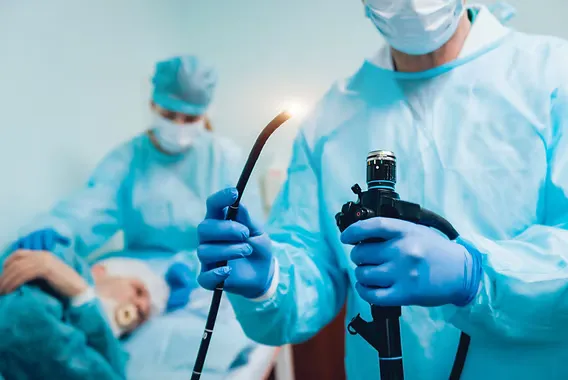
An upper gastrointestinal endoscopy is one of the most important diagnostic tools, allowing direct visualization of the stomach lining.
Biopsy
During endoscopy, tissue samples may be taken and examined under a microscope to detect cancer cells.
CT Scan
Computed tomography scans help determine tumor size and whether the cancer has spread.
Blood Tests
Blood tests may identify anemia and provide information about the patient's overall health.
Stages of Stomach Cancer
Stomach cancer is classified into different stages depending on tumor size and spread.
Stage 1
The cancer is limited to the stomach lining or superficial layers.
Stage 2
The tumor extends into deeper layers or nearby lymph nodes.
Stage 3
The cancer spreads more extensively into surrounding tissues and lymph nodes.
Stage 4
The cancer spreads to distant organs such as the liver, lungs, or other parts of the body.
Treatment for Stomach Cancer
Treatment depends on the stage of the disease and the patient's overall health.
Surgery
Surgery is often the primary treatment option, especially in early stages.
Procedures may include:
-
Partial gastrectomy (removal of part of the stomach)
-
Total gastrectomy (removal of the entire stomach)
-
Removal of nearby lymph nodes
Chemotherapy
Chemotherapy may be used to shrink tumors or destroy remaining cancer cells after surgery.
Radiation Therapy
Radiation therapy can help destroy cancer cells and reduce the risk of recurrence.
Targeted Therapy
Some patients may benefit from targeted treatments that attack specific characteristics of cancer cells.
Immunotherapy
Immunotherapy helps the immune system recognize and attack cancer cells in certain cases.
Can Stomach Cancer Be Cured?
Yes, many cases of stomach cancer can be cured, particularly when detected early.
The chances of recovery depend on:
-
The stage at diagnosis
-
Tumor size
-
Extent of spread
-
Patient age
-
Overall health condition
-
Response to treatment
Earlier diagnosis generally leads to better outcomes.
Nutrition for Stomach Cancer Patients
Proper nutrition plays an important role during treatment and recovery.
Helpful dietary recommendations include:
-
Eating small, frequent meals
-
Focusing on healthy protein sources
-
Drinking adequate fluids
-
Consuming fresh fruits and vegetables
-
Avoiding heavy and fatty foods
-
Consulting a nutrition specialist when needed
Can Stomach Cancer Be Prevented?
While not all cases can be prevented, the risk may be reduced by:
-
Treating H. pylori infection early
-
Quitting smoking
-
Following a healthy diet
-
Eating more fruits and vegetables
-
Reducing processed and smoked foods
-
Maintaining a healthy weight
-
Undergoing regular screenings when risk factors are present
in the end Stomach cancer is a condition that requires awareness of its early warning signs and prompt medical evaluation of persistent digestive symptoms.if you experience persistent indigestion, unexplained weight loss, ongoing stomach pain, or other concerning symptoms, consult a gastroenterologist for proper evaluation and diagnosis.
Frequently Asked Questions
What are the first symptoms of stomach cancer?
Early symptoms may include indigestion, heartburn, bloating, loss of appetite, and feeling full quickly.
What are the main signs of stomach cancer?
Common signs include unexplained weight loss, anemia, chronic fatigue, and persistent stomach pain.
What causes stomach cancer?
Major causes and risk factors include H. pylori infection, smoking, unhealthy diets, family history, and chronic stomach inflammation.
Is stomach cancer dangerous?
Yes, it can be serious if diagnosed late, but treatment outcomes improve significantly with early detection.
Can stomach cancer be cured?
Yes, many patients can be successfully treated, especially when the disease is diagnosed in its early stages.
Does H. pylori cause stomach cancer?
Long-term untreated H. pylori infection may increase the risk of developing stomach cancer.
When should a stomach endoscopy be performed?
An endoscopy is recommended when digestive symptoms persist or when warning signs such as bleeding or unexplained weight loss appear.
Can stomach cancer be prevented?
The risk can be reduced through a healthy lifestyle, treatment of H. pylori infection, smoking cessation, and limiting processed foods.