A Comprehensive Guide to Digestive System Diseases
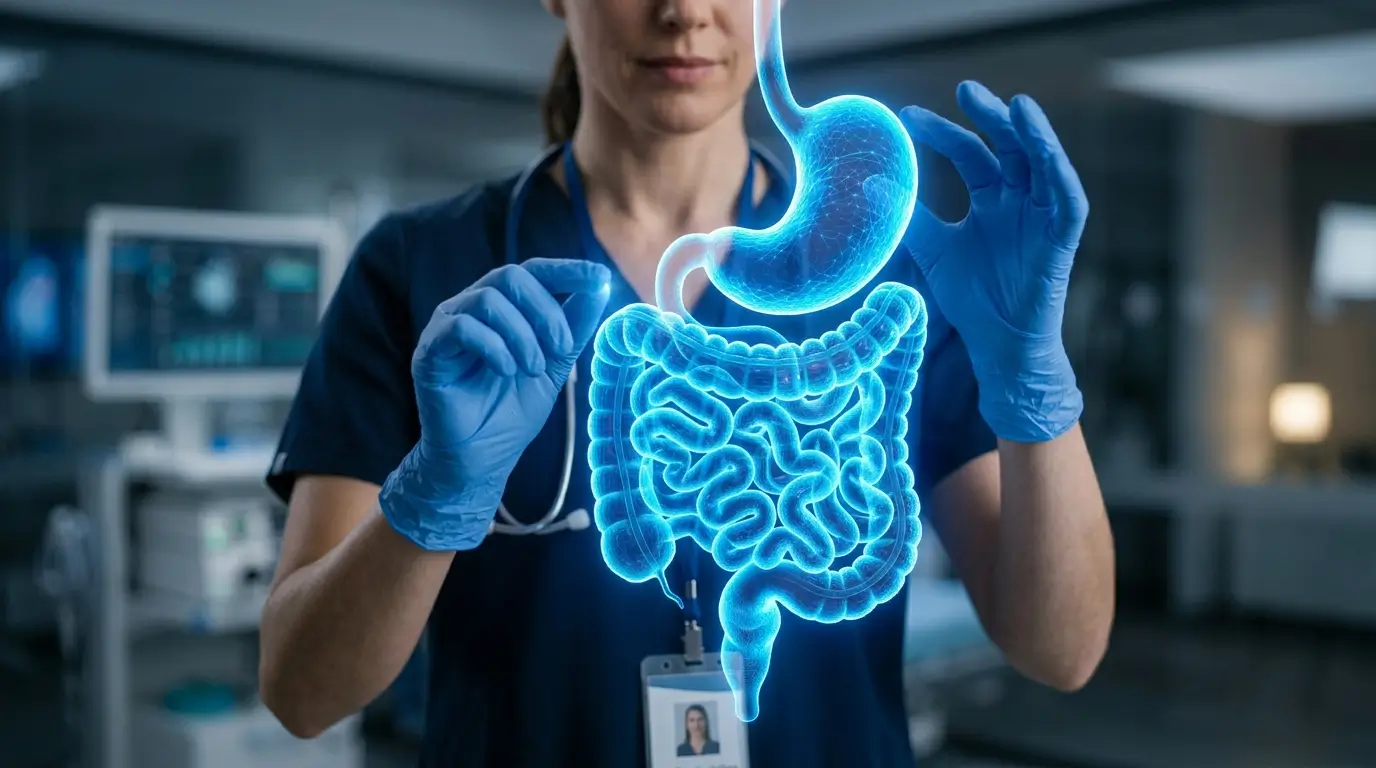
Digestive system diseases are among the most common health conditions affecting people of all ages. They impact the organs responsible for digesting food, absorbing nutrients, and eliminating waste. The digestive system includes the esophagus, stomach, small intestine, large intestine, liver, pancreas, and gallbladder. These conditions can range from mild disorders that are easily managed to chronic diseases requiring ongoing medical care. Early diagnosis plays a key role in reducing complications and improving quality of life.
What Are Digestive System Diseases?
Digestive system diseases refer to a group of disorders and medical conditions that affect the organs and functions of the digestive tract, including the esophagus, stomach, small intestine, large intestine, liver, pancreas, and gallbladder. These conditions may be temporary or chronic and can vary in severity from one person to another. They can interfere with digestion, nutrient absorption, and waste elimination, leading to symptoms such as abdominal pain, bloating, heartburn, constipation, or diarrhea. Early diagnosis and proper treatment help prevent complications and maintain healthy digestive function.
Digestive System Diseases and Their Treatment
Digestive diseases vary depending on the affected organ and the nature of the condition. Common examples include:
-
Gastroesophageal reflux disease (GERD)
-
Gastritis
-
Stomach and duodenal ulcers
-
Irritable bowel syndrome (IBS)
-
Ulcerative colitis
-
Crohn’s disease
-
Chronic constipation
-
Recurrent diarrhea
-
Gallstones
-
Fatty liver disease
Treatment varies according to the type and severity of the condition. It may involve dietary modifications, medications, or advanced medical procedures when necessary.
Causes of Digestive System Diseases
Several factors can contribute to the development of digestive disorders, including:
-
An unhealthy diet rich in fats and processed foods
-
Excessive consumption of spicy or stomach-irritating foods
-
Smoking and alcohol consumption
-
Chronic stress and psychological pressure
-
Bacterial or viral infections
-
Genetic factors and family history
-
Lack of physical activity
-
Overuse of certain medications without medical supervision
-
Autoimmune disorders affecting the digestive tract
Symptoms of Digestive System Diseases
Symptoms vary depending on the specific condition, but common signs include:
-
Abdominal pain or cramping
-
Heartburn or acid reflux
-
Bloating and excessive gas
-
Nausea or vomiting
-
Chronic constipation or diarrhea
-
Loss of appetite
-
Unexplained weight loss
-
Difficulty swallowing
-
Blood in the stool in some cases
-
Persistent fatigue and weakness
If these symptoms persist or occur frequently, medical evaluation is recommended to determine the underlying cause and establish an appropriate treatment plan.
Treatment of Digestive System Diseases
Treatment depends on an accurate diagnosis and may include:
-
Adopting healthy eating habits and a balanced diet
-
Increasing water intake and consuming fiber-rich foods
-
Avoiding foods that irritate the stomach or intestines
-
Taking prescribed medications for inflammation or digestive disorders
-
Engaging in regular physical activity to improve bowel function
-
Managing stress and emotional pressure
-
Undergoing endoscopic procedures or medical interventions when needed
-
Regular follow-up care for chronic conditions
When Should You See a Doctor?
Some digestive problems may improve with dietary changes or simple treatments, but certain symptoms require prompt medical attention. You should consult a doctor if you experience severe or persistent abdominal pain, notice blood in your stool, or experience unexplained weight loss. Medical evaluation is also recommended for difficulty swallowing, recurrent vomiting, or ongoing constipation or diarrhea. Early diagnosis helps identify the cause and prevent serious complications.
Complications of Untreated Digestive System Diseases
Ignoring digestive disorders can lead to complications that affect overall health and quality of life. These complications vary depending on the condition but may include malnutrition due to poor nutrient absorption, dehydration caused by persistent diarrhea or vomiting, and anemia resulting from chronic gastrointestinal bleeding. In advanced cases, digestive diseases may lead to severe ulcers, inflammation, intestinal obstruction, or damage to digestive organs. Proper treatment and regular medical follow-up are essential to minimize these risks.
Common Digestive System Diseases in Children
Children can also experience various digestive disorders that may affect their growth and overall health. Common conditions include gastroenteritis, which often causes diarrhea and vomiting, constipation related to poor dietary habits or inadequate fluid intake, and gastroesophageal reflux, which is common in some infants and children. Food allergies may also lead to abdominal pain, bloating, and digestive discomfort. Early diagnosis and medical management help reduce the impact of these conditions on a child's health and development.
Conclusion
Digestive system diseases encompass a wide range of conditions that can significantly affect daily life and overall well-being. Understanding their causes and symptoms helps ensure timely diagnosis and appropriate treatment before complications develop. Maintaining a healthy diet and adopting a balanced lifestyle are important steps in preventing many digestive disorders and supporting optimal digestive health.
Frequently Asked Questions About Digestive System Diseases
What are the most common digestive system diseases?
Irritable bowel syndrome (IBS), gastroesophageal reflux disease (GERD), gastritis, and chronic constipation are among the most common digestive disorders. Symptoms and severity vary depending on the condition.
Can digestive system diseases be prevented?
The risk of many digestive diseases can be reduced by following a balanced diet, drinking enough water, staying physically active, and avoiding smoking and unhealthy eating habits.
Does stress affect digestive health?
Yes. Stress and anxiety can worsen certain digestive disorders, including IBS and indigestion, and may contribute to abdominal discomfort and bloating.
What symptoms require medical attention?
You should seek medical advice if you experience persistent abdominal pain, blood in the stool, unexplained weight loss, difficulty swallowing, recurrent vomiting, or long-term changes in bowel habits.
Do all digestive diseases require medication?
No. Some mild conditions can improve through dietary and lifestyle changes, while others may require medication or medical procedures based on the diagnosis.
What foods help maintain digestive health?
Fiber-rich foods such as fruits, vegetables, and whole grains support digestive health. Yogurt and probiotic-containing foods may also help maintain a healthy balance of beneficial gut bacteria.
Can digestive system diseases be chronic?
Yes. Certain conditions, such as Crohn’s disease, ulcerative colitis, and chronic GERD, may require long-term management to control symptoms and prevent complications.
Do digestive diseases affect nutrient absorption?
In some cases, digestive disorders can interfere with the absorption of vitamins, minerals, and other essential nutrients, particularly when chronic inflammation or intestinal dysfunction is present.