Can GERD Cause Death? Symptoms & Serious Complications

GERD is one of the most common digestive disorders, with many people experiencing heartburn or the backflow of food and stomach acid into the throat. As symptoms recur, some people may begin to wonder: can GERD cause death? And can it develop into a serious, life-threatening condition?
In fact, GERD does not directly cause death in most cases, but it may lead to complications if it becomes chronic or is left untreated for long periods. Therefore, understanding the nature of the condition, recognizing warning signs, and seeking medical attention when necessary can help control GERD and reduce the likelihood of complications.
Medical Disclaimer: This article was reviewed by the team at Smouha Scope Center, which specializes in gastrointestinal endoscopy in Alexandria, to ensure the accuracy of the medical information provided and its consistency with established medical principles.
Can GERD Cause Death?
The answer to the question “can GERD cause death?” is that GERD itself is not considered a fatal disease in most cases, but it may become a concern if it leads to serious complications as a result of neglect or inadequate treatment.
GERD occurs when stomach acid flows back into the esophagus due to weakness of the sphincter between the stomach and esophagus. This can irritate the esophageal lining and cause symptoms such as heartburn, chest pain, a sensation of food being stuck, or chronic coughing.
The main concern is not mild reflux itself, but chronic cases that continue for long periods and may cause changes in the esophageal lining or other problems requiring close medical follow-up.
What Is GERD and How Does It Occur?
GERD is a disorder that occurs when the lower esophageal sphincter does not function properly, allowing acidic stomach contents to flow back into the esophagus. Because the esophageal lining is not designed to withstand prolonged exposure to acid, this may lead to inflammation and bothersome symptoms.
Some of the most common causes and factors that may increase GERD include:
-
Eating large meals or going to sleep immediately after eating.
-
Being overweight or obese.
-
Eating certain foods that increase heartburn.
-
Smoking.
-
Pregnancy.
-
Certain medications that may affect the esophageal muscle.
The severity of symptoms varies from person to person. Some patients experience mild, occasional symptoms, while others have chronic GERD that requires medical evaluation.
Is GERD Dangerous?
Many patients wonder, “Is GERD dangerous?” The answer depends on the nature of the condition and how long the symptoms persist. Mild reflux that is managed through lifestyle changes and appropriate treatment generally does not pose a major risk.
However, GERD may become concerning when symptoms persist or when signs indicate the presence of complications, such as difficulty swallowing, unexplained weight loss, bleeding, or severe pain.
Therefore, recurring symptoms should not be ignored, especially when they affect sleep or daily life, as early diagnosis can help determine the appropriate treatment and prevent the condition from progressing.
Complications of Chronic GERD
In some cases, chronic GERD may lead to changes or complications in the esophagus, particularly when the condition remains uncontrolled for a long time.
Esophagitis
Esophagitis is one of the most common complications of GERD and occurs when the esophageal lining is repeatedly exposed to stomach acid. This inflammation may cause pain when swallowing or increased heartburn.
Treatment for esophagitis depends on the severity of the inflammation and its underlying cause. It may include dietary modifications and medications that reduce stomach acid production under a doctor’s supervision.
Esophageal Stricture
In some cases, persistent inflammation may lead to scar tissue that narrows the esophagus, making it more difficult for food to pass through. Patients typically notice gradually increasing difficulty swallowing solid foods.
This condition requires specialist evaluation, and the doctor may use gastrointestinal endoscopy to determine the cause of the problem and develop an appropriate treatment plan.
Barrett’s Esophagus
Barrett’s esophagus is a complication that may occur as a result of chronic GERD over a long period. It involves changes in the cells lining the esophagus due to continued exposure to stomach acid.
Having Barrett’s esophagus does not necessarily mean that a person has cancer, but it requires regular follow-up with a gastroenterologist to evaluate the condition and reduce potential risks.
Serious GERD Symptoms That Require Medical Attention
Although GERD symptoms may be similar among patients, certain signs require medical consultation rather than relying solely on self-treatment, including:
-
Difficulty or pain when swallowing.
-
Unexplained weight loss.
-
Recurrent vomiting.
-
Blood in vomit or stool.
-
Severe and persistent chest pain.
-
Symptoms that continue despite treatment.
It is also important to note that chest pain can sometimes resemble symptoms of heart problems, so medical evaluation should be sought when chest pain is unusual or severe.
Can GERD Cause Cancer?
One common question is: can GERD cause cancer? GERD does not mean that a person has cancer, and most people with GERD do not develop esophageal cancer.
However, chronic GERD may lead in some cases to changes such as Barrett’s esophagus, a condition that requires monitoring because it is associated with an increased likelihood of abnormal changes in esophageal cells.
Therefore, controlling GERD, treating its symptoms, and receiving medical follow-up when risk factors are present are all important steps in maintaining esophageal health.
GERD Treatment and Reducing the Risk of Complications
Treatment for GERD depends on the severity of symptoms and the patient’s condition. It may include several measures that help reduce reflux and improve quality of life, such as:
-
Reducing foods that increase heartburn.
-
Avoiding lying down immediately after eating.
-
Losing weight when overweight.
-
Elevating the upper body during sleep for some patients.
-
Using medications prescribed by a doctor to reduce stomach acid.
In some cases where symptoms do not respond to treatment or when symptoms require detailed evaluation, the doctor may recommend gastrointestinal endoscopy to examine the esophagus and stomach.
When Should an Esophageal Endoscopy Be Performed?
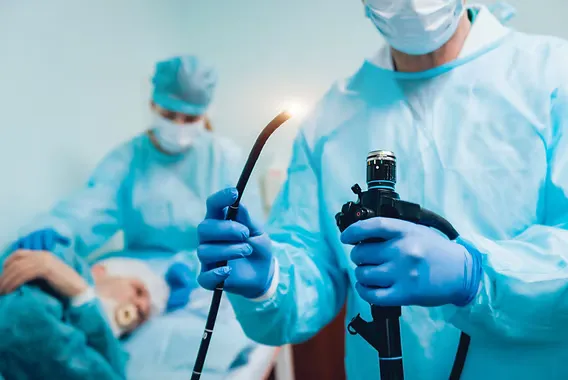
A doctor may recommend an esophageal endoscopy or gastrointestinal endoscopy in certain cases, particularly when symptoms persist or warning signs require further evaluation, such as difficulty swallowing, bleeding, or lack of improvement with treatment.
Endoscopy helps the doctor examine the lining of the esophagus and stomach accurately and detect inflammation or abnormal changes. It can also be used for certain therapeutic procedures when necessary.
At Smouha Scope Center, diagnostic and therapeutic gastrointestinal endoscopy services are provided using modern techniques that help achieve an accurate diagnosis and develop an appropriate treatment plan for each case.
Book Your Consultation at Smouha Scope Center for GERD Evaluation
If you experience recurring GERD symptoms or have concerning signs, consulting a specialist can help identify the cause of the problem and determine the appropriate treatment before complications develop.
Smouha Scope Center in Alexandria provides specialized gastrointestinal endoscopy services, with a medical team and specialized expertise in diagnosing and treating digestive disorders using modern medical techniques.
Frequently Asked Questions About Whether GERD Can Cause Death
Can GERD Cause Death?
No, GERD itself does not usually cause death, but it may lead to serious complications if it is neglected for long periods without treatment and follow-up.
Is Chronic GERD Dangerous?
Chronic GERD may become dangerous if it causes severe inflammation or changes in the esophageal lining, which is why it requires appropriate treatment and follow-up.
Can GERD Cause Shortness of Breath?
Some people may experience shortness of breath or coughing because acid reaches the throat or irritates the airways, particularly during sleep.
Can GERD Cause Cancer?
GERD does not directly cause cancer, but some chronic cases may lead to changes such as Barrett’s esophagus, which requires monitoring.
When Is GERD Dangerous?
GERD becomes more concerning when signs such as difficulty swallowing, bleeding, unexplained weight loss, or persistent symptoms despite treatment appear.
Can GERD Be Cured?
GERD can be significantly controlled through lifestyle changes, appropriate treatment, and medical follow-up based on the patient’s condition.