Insights & Innovations in Gastrointestinal Care
Everything you need to know about gastroscopy

Gastroscopy is considered one of the most important diagnostic procedures in gastroenterology. It allows the doctor to directly examine the lining of the esophagus, stomach, and duodenum with high precision. This direct visualization helps detect problems at an early stage and enables a timely and appropriate treatment plan.
Although the word “procedure” may sound complicated, gastroscopy is in fact simple, short in duration, and usually performed on the same day without the need for hospital admission.
What Is Gastroscopy?
Gastroscopy is a medical procedure designed to examine the upper part of the digestive system, including:
The esophagus
The stomach
The first part of the small intestine (duodenum)
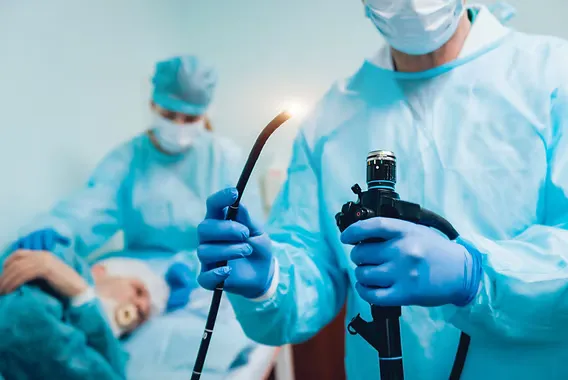
A thin, flexible tube equipped with a small camera is gently inserted through the mouth. The camera transmits a magnified, clear image to a monitor, allowing the doctor to identify inflammation, ulcers, bleeding, or any abnormal changes in the stomach lining.
When Does a Doctor Recommend Gastroscopy?
Gastroscopy may be recommended in the following situations:
Persistent upper abdominal pain
Chronic acid reflux or heartburn not responding to treatment
Difficulty or pain while swallowing
Repeated vomiting or vomiting with blood
Unexplained weight loss
Unexplained anemia
How Is Gastroscopy Performed?
The procedure follows carefully designed steps to ensure patient comfort and safety:
Fasting for 6–8 hours before the examination
Applying a local anesthetic spray to the throat to reduce discomfort
Administering a mild intravenous sedative in most cases to enhance relaxation
Gently inserting the endoscope through the mouth into the stomach and duodenum
The entire procedure typically takes only 5 to 10 minutes.
Is Gastroscopy Painful?
With modern medical practice, gastroscopy is generally not considered painful. Some patients may experience mild discomfort or a sensation of pressure, but the use of local anesthesia and sedation makes the procedure highly tolerable.
Afterward, mild throat irritation or temporary bloating due to air introduced during the examination may occur, but these symptoms usually resolve within a few hours.
Can Treatment Be Performed During Gastroscopy?
Yes. Gastroscopy is not only diagnostic but can also be therapeutic during the same session. The doctor may:
Take tissue samples (biopsies) for laboratory analysis
Control minor bleeding
Remove certain foreign objects
Treat some cases of esophageal narrowing
This often eliminates the need for separate surgical intervention.
After the Procedure
Patients can usually return home on the same day.
Driving is not recommended if a sedative was administered.
Most individuals can resume normal daily activities the following day unless otherwise advised by their doctor.
Conclusion
Gastroscopy is a safe, quick, and highly effective procedure for diagnosing upper gastrointestinal conditions with accuracy. While anxiety about the procedure is common, medical experience confirms that it is simple and minimally uncomfortable compared to the significant benefits it provides in ensuring digestive health and detecting potential problems early.