Stomach Endoscopy | Reasons, Procedure, Risks and Recovery

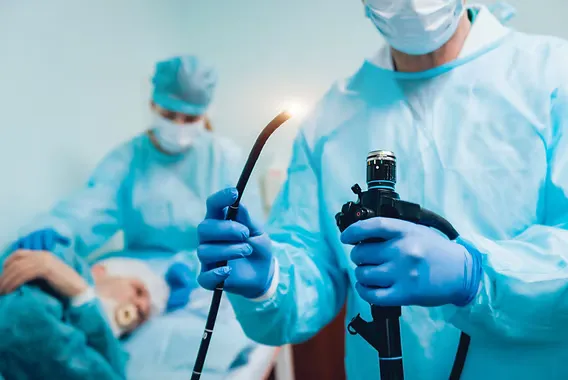
Stomach endoscopy is one of the most important modern medical procedures used to accurately diagnose and treat various digestive system problems. The procedure uses a flexible tube equipped with a small camera to examine the esophagus, stomach, and duodenum from inside the body.
A stomach endoscopy can help identify the causes of symptoms such as persistent stomach pain, severe heartburn, gastrointestinal bleeding, difficulty swallowing, and recurrent vomiting. It can also be used for certain therapeutic procedures, such as taking tissue samples or controlling some types of bleeding.
With advances in modern endoscopy techniques, stomach endoscopy has become a relatively safe and efficient procedure performed under the supervision of a specialized medical team, with appropriate measures taken to ensure patient comfort and safety.
This article has been medically reviewed by a team of specialized gastroenterology and gastrointestinal endoscopy physicians to ensure the accuracy of the medical information provided.
What Is a Stomach Endoscopy?
Stomach endoscopy, also known as upper gastrointestinal endoscopy or gastroscopy, is a medical procedure in which a thin, flexible tube equipped with a small camera is inserted through the mouth to examine the esophagus, stomach, and first part of the small intestine.
A stomach endoscopy does not require external surgical incisions. It allows the doctor to directly examine the lining of the upper digestive tract and identify problems that may not be detected through other tests. It can also allow certain conditions to be treated during the same procedure.
Types of Stomach Endoscopy
Diagnostic Stomach Endoscopy:
Diagnostic endoscopy is used to examine the esophagus, stomach, and duodenum and identify the causes of symptoms such as inflammation, ulcers, bleeding, or abnormal tissue changes.
Therapeutic Stomach Endoscopy:
Endoscopy is not limited to diagnosis. It can also be used for certain therapeutic procedures, such as removing some abnormal growths, taking tissue samples, or treating certain sources of gastrointestinal bleeding.
Why Is a Stomach Endoscopy Performed?
A doctor may recommend a stomach endoscopy when certain symptoms or signs require a detailed examination of the digestive tract lining. The procedure can help establish an accurate diagnosis and determine the appropriate treatment.
Common reasons for undergoing a stomach endoscopy include:
-
Diagnosing persistent or unexplained stomach pain.
-
Detecting stomach or duodenal ulcers.
-
Identifying the causes of severe heartburn and chronic acid reflux.
-
Determining the source of upper gastrointestinal bleeding.
-
Taking tissue samples from the stomach for laboratory examination.
-
Monitoring certain conditions that require regular follow-up.
Endoscopy is considered a highly accurate diagnostic tool because it allows the doctor to directly visualize the affected area rather than relying solely on symptoms or indirect tests.
Conditions That May Require a Stomach Endoscopy
Not every patient with stomach pain needs an endoscopy. However, certain symptoms may lead a doctor to recommend the procedure to obtain a more accurate diagnosis.
Symptoms That May Require a Stomach Endoscopy
A doctor may recommend an endoscopy when one or more of the following symptoms occur:
-
Difficulty or pain when swallowing.
-
Recurrent vomiting or blood in the vomit.
-
Unexplained weight loss.
-
Persistent stomach pain.
-
Gastrointestinal bleeding.
-
Severe heartburn that does not improve with treatment.
-
Anemia without an obvious cause.
Early diagnosis can help identify digestive system problems at an earlier stage, particularly when risk factors or a relevant medical history are present.
Stomach Endoscopy Procedure: Step by Step
A stomach endoscopy involves several stages, beginning with preparation before the procedure and continuing through post-procedure monitoring. The exact steps may vary depending on the patient's condition and medical needs.
Preparation Before a Stomach Endoscopy
Before the procedure, the doctor provides important instructions to help ensure that the examination is performed safely and effectively. These may include:
-
Fasting for a specified period before the procedure so the stomach is empty.
-
Informing the doctor about any medications being taken, particularly blood-thinning medications.
-
Providing information about the patient's medical history and any medication allergies.
-
Completing any tests required based on the patient's condition.
During the Endoscopy
The patient is given an appropriate sedative or anesthesia as determined by the doctor to minimize discomfort. The endoscope is then gently inserted through the mouth to examine the esophagus, stomach, and duodenum.
During the procedure, the doctor may:
-
Examine and document the lining of the digestive tract.
-
Identify inflammation or ulcers.
-
Take tissue samples for laboratory testing.
-
Perform certain therapeutic procedures when necessary.
After the Procedure
After the stomach endoscopy, the patient is monitored for a short period until the effects of the sedative begin to wear off. In many cases, the patient can return home on the same day, depending on their condition and the doctor's instructions.
Is a Stomach Endoscopy Painful?
Many patients wonder whether a stomach endoscopy is painful. In general, it is considered a relatively simple procedure, and appropriate sedation or anesthesia can be used to reduce discomfort.
Some patients may experience mild bloating or a need to burp because of the air introduced during the examination. A mild sore throat may also occur and usually resolves within a short period.
Choosing a specialized medical center with an experienced gastrointestinal endoscopy team can help make the procedure more comfortable and safe.
How Long Does a Stomach Endoscopy Take and How Long Is Recovery?
A stomach endoscopy usually takes a relatively short amount of time. The exact duration depends on the purpose of the examination and whether a therapeutic procedure or tissue sampling is performed.
After the procedure, the patient usually needs a short monitoring period to ensure that their condition is stable. They can then return home according to the doctor's instructions.
The doctor provides post-endoscopy instructions regarding eating, drinking, and returning to normal activities, particularly if tissue samples were taken or a therapeutic procedure was performed.
Risks and Complications of Stomach Endoscopy
Stomach endoscopy is generally considered a safe procedure. However, like any medical procedure, it may involve certain uncommon complications. The risk varies depending on the patient's condition and the type of procedure performed.
Possible complications may include:
-
Mild bloating or abdominal discomfort.
-
Temporary sore throat.
-
Minor bleeding after taking tissue samples.
-
Complications related to sedation or anesthesia in some cases.
Choosing a well-equipped medical center with modern endoscopy equipment and a specialized medical team can help reduce the risk of complications and provide a safer experience for the patient.
Stomach Endoscopy vs. Other Diagnostic Tests
One of the main advantages of stomach endoscopy is that it allows the doctor to directly examine the lining of the upper digestive tract rather than obtaining only an indirect image of the problem.
The procedure also allows the doctor to perform certain interventions during the examination, such as taking tissue samples or treating some conditions. This makes endoscopy an important tool for diagnosing and managing many digestive system disorders.
The doctor determines the most appropriate examination based on the patient's symptoms and medical history. Some conditions may require endoscopy, while others may be better evaluated using different diagnostic tests.
Stomach Endoscopy Cost and Factors That Affect the Price
The cost of a stomach endoscopy varies from one case to another, and there is no single fixed price for all patients. The total cost depends on several factors related to the procedure.
Important factors that may affect the cost include:
-
The type of stomach endoscopy required.
-
Whether the procedure is diagnostic or includes treatment.
-
The type of sedation or anesthesia used.
-
Tests required before or after the procedure.
-
The medical center's facilities and the experience of the medical team.
For this reason, patients should contact the medical center to obtain accurate cost information after the doctor has evaluated their condition.
Why Choose Smouha Scope for a Stomach Endoscopy?
At Smouha Scope, we provide specialized gastrointestinal endoscopy services using modern medical technologies, with a focus on providing a safe and comfortable experience for every patient.
The center offers:
-
A specialized medical team experienced in gastrointestinal endoscopy.
-
Modern endoscopy equipment to support accurate diagnosis.
-
Diagnostic and therapeutic endoscopy procedures based on the patient's condition.
-
Attention to patient comfort before, during, and after the procedure.
If you need an accurate evaluation of your condition or would like to determine whether a stomach endoscopy is appropriate for you, you can contact Smouha Scope to schedule an appointment with the specialized medical team.
Frequently Asked Questions About Stomach Endoscopy
Does a Stomach Endoscopy Require Anesthesia?
Yes. A suitable sedative or anesthesia is commonly used depending on the patient's condition and the type of procedure. This helps reduce discomfort during the endoscopy.
How Long Does a Stomach Endoscopy Take?
A stomach endoscopy usually takes a relatively short time. The duration varies depending on the reason for the procedure and whether the doctor needs to take tissue samples or perform a therapeutic intervention.
What Happens After a Stomach Endoscopy?
The patient may experience mild bloating or a slight sore throat after the procedure. Instructions regarding eating, drinking, and returning to normal activities depend on the individual's condition and the type of procedure performed.
Can a Stomach Endoscopy Detect H. pylori Infection?
Yes. The doctor can take a tissue sample from the stomach lining during the endoscopy and send it for laboratory testing to determine whether H. pylori infection is present.
Is a Stomach Endoscopy Dangerous?
Stomach endoscopy is generally considered a safe procedure when performed by a qualified medical team in a properly equipped center. Following the doctor's instructions before and after the procedure also helps reduce potential risks.