Insights & Innovations in Gastrointestinal Care
Fear of gastroscopy: causes and scientific facts

Feeling anxious before any medical procedure is completely normal. However, if you are specifically afraid of gastroscopy, it is helpful to understand the medical facts behind the procedure. In most cases, the fear comes from not knowing what to expect rather than from the procedure itself.
Afraid of Gastroscopy? First Understand What the Procedure Is
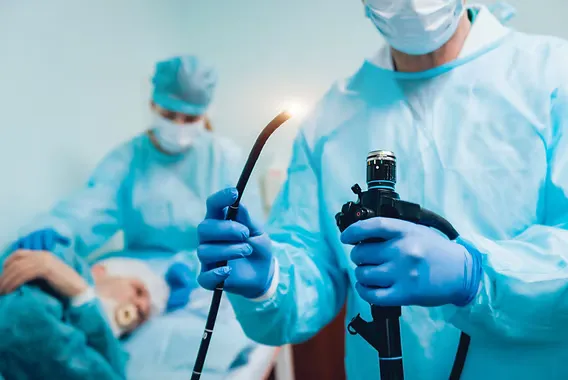
Gastroscopy is a simple medical examination used to visualize the upper part of the digestive system with high accuracy. It includes:
The esophagus
The stomach
The beginning of the small intestine (duodenum)
The purpose of this examination is to diagnose the causes of symptoms such as persistent heartburn, stomach pain, difficulty swallowing, repeated vomiting, or gastrointestinal bleeding.
Although some patients feel worried before the test, gastroscopy is considered one of the safest and fastest ways to diagnose digestive system problems and helps doctors begin appropriate treatment early before complications develop.
Why Do Some People Feel Afraid?
There are several common reasons why patients may feel anxious before undergoing gastroscopy, including:
Fear of pain
Concern about choking during the procedure
Worry about the examination results
Lack of understanding about the type of sedation used
It is important to know that the endoscope does not interfere with breathing. It passes through the esophagus, not the airway. In addition, the medical team continuously monitors the patient throughout the procedure to ensure safety and comfort.
Is Gastroscopy Painful?
In modern medical practice, gastroscopy is generally not considered painful.
Doctors usually use:
A local anesthetic spray to numb the throat
A mild intravenous sedative in most cases
The patient remains in a relaxed state and often does not remember the details of the examination. At most, a patient may feel slight discomfort or temporary pressure, which disappears quickly after the procedure.
The procedure itself is very short, typically lasting 5 to 10 minutes.
What Happens During the Examination?
The examination usually involves the following steps:
Fasting for several hours before the procedure
Receiving a local anesthetic spray and possibly a mild sedative
Gently inserting the endoscope through the mouth to examine the digestive tract
If necessary, the doctor may take a small tissue sample (biopsy) for laboratory analysis, and this is done without causing additional pain.
After the examination, some patients may experience mild throat irritation or slight bloating due to the air used during the procedure. These sensations usually disappear within a few hours.
When Is Gastroscopy Necessary?
Doctors may recommend gastroscopy in situations such as:
Persistent upper abdominal pain
Acid reflux that does not improve with treatment
Difficulty swallowing
Repeated vomiting
Unexplained anemia
Delaying the examination because of fear may postpone the correct diagnosis and treatment.
How Can You Overcome the Fear?
You can reduce anxiety about gastroscopy by:
Asking your doctor to explain the procedure clearly
Understanding the type of sedation used
Remembering that the procedure is short and safe
Focusing on the goal of protecting and checking your health
Conclusion
If you are afraid of gastroscopy, remember that this feeling is natural. However, medical evidence shows that the procedure is simple, safe, and quick thanks to modern medical technology.
Understanding the process helps reduce fear, and reassurance begins with taking a confident step toward accurate diagnosis and better digestive health.