When Does H. Pylori Die? Treatment Duration and Signs of Recovery
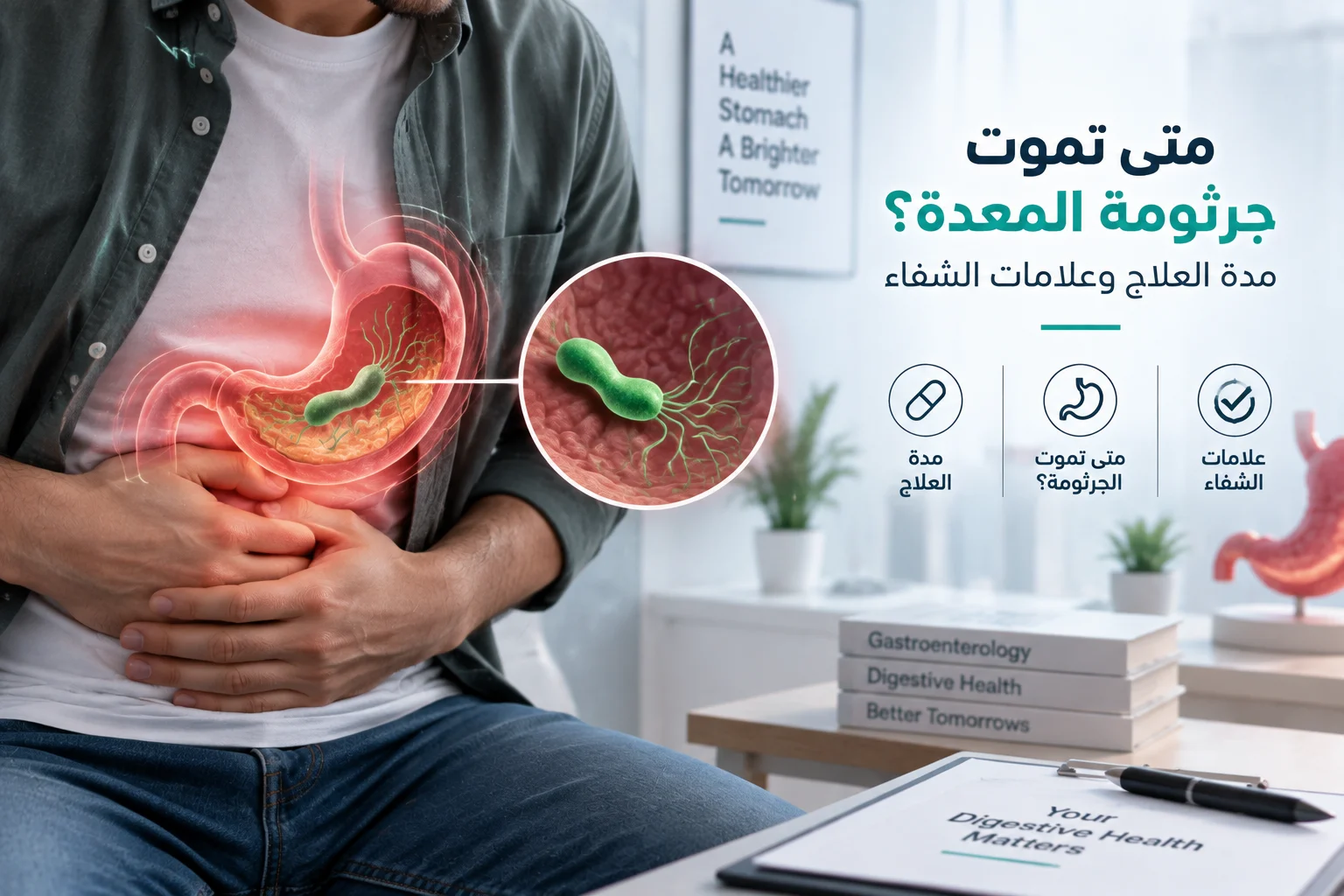
H. pylori, or Helicobacter pylori, is an infection that requires medical treatment to eradicate. An improvement in stomach pain or the disappearance of heartburn does not necessarily mean that the bacteria have been completely eliminated. H. pylori treatment usually continues for a specific period determined by the doctor based on the treatment regimen and the patient's condition, followed by a test to confirm successful eradication. According to current guidelines, patients need a confirmatory test after treatment because symptoms alone are not sufficient to determine whether the infection has been cured.
Medical Disclaimer: This article was medically reviewed by a specialist in gastroenterology and endoscopy to ensure the accuracy of the medical information provided.
When Does H. Pylori Die?
There is no specific moment when it can be said that H. pylori has died simply because symptoms have disappeared. Eradicating the bacteria depends on completing the entire prescribed treatment protocol. Current guidelines recommend treatment regimens that often last 14 days in many cases, with the specific regimen selected based on treatment history and the likelihood of antibiotic resistance.
The most important point is not to stop taking antibiotics early, even if the patient experiences significant improvement. After completing treatment, a test should be performed to confirm eradication. The disappearance of pain or bloating alone does not prove that treatment has been successful.
How Long Does H. Pylori Treatment Take?
The duration of H. pylori treatment varies depending on the regimen selected by the doctor, but recent American guidelines recommend a 14-day course for several treatment regimens. The medications used may differ from one patient to another based on drug allergies, previous treatments, and bacterial resistance to antibiotics.
Can H. Pylori Disappear Before Treatment Is Completed?
The number of bacteria may begin to decrease during treatment, but this does not mean that the infection has been completely eradicated. Therefore, the full course should be completed as prescribed by the doctor, and symptom improvement should not be used as a reason to stop the medication. Following the prescribed doses and schedule helps increase the likelihood of treatment success and reduce the risk of persistent infection.
When Do H. Pylori Symptoms Disappear After Treatment?
H. pylori symptoms may begin to improve during or after treatment, but the timing varies from person to person. Some patients experience rapid improvement, while indigestion or upper abdominal pain may persist for longer due to gastritis or an ulcer caused by the infection. Therefore, the persistence of some symptoms should not be considered definitive evidence that treatment has failed.
Why Do Symptoms Persist Despite H. Pylori Eradication?
Eliminating the bacteria does not necessarily mean that the stomach lining will heal immediately. If the infection has caused gastritis or an ulcer, the digestive system may need time to recover. In some cases, symptoms may be related to functional dyspepsia or another digestive problem. Therefore, the doctor determines the cause of persistent symptoms after the eradication test results are available.
What Are the Signs of H. Pylori Recovery?
Improvement in stomach pain, reduced bloating or nausea, and a return of appetite to normal may be positive signs, but they are not conclusive evidence that H. pylori has disappeared. The most important confirmation is a negative result on an appropriate test performed after the required period following treatment. Guidelines recommend using a urea breath test, stool antigen test, or biopsy-based testing depending on the situation.
Therefore, if you are wondering how to know whether H. pylori is gone, the most accurate answer is: do not rely on symptoms alone. Follow the timing of the eradication test recommended by your doctor.
How Is H. Pylori Eradication Confirmed?
An eradication test should be performed at least 4 weeks after completing H. pylori treatment, according to current guidelines. A urea breath test or stool antigen test may be used, while biopsy-based testing may be used in certain circumstances. Proton pump inhibitors should also be stopped for 2 weeks before the test, while antibiotics and bismuth should be stopped for 4 weeks to reduce the risk of a false-negative result.
This is why testing immediately after the last dose of treatment is not recommended. Medications may affect the accuracy of the result and prevent it from accurately reflecting the actual infection status.
Can H. Pylori Return After Treatment?
Yes. The H. pylori test may remain positive after treatment if the initial treatment plan fails to eradicate the infection. This can occur due to antibiotic resistance in some bacterial strains or failure to follow the prescribed doses. Therefore, knowing the previous treatment and the result of the eradication test has become an important part of selecting subsequent treatment.
If the test remains positive after treatment, you should not repeat antibiotics on your own. The doctor should determine the alternative regimen based on the medications previously used and the likelihood of resistance. Some cases may require a different treatment regimen.
When Does H. Pylori Require Medical Evaluation?
The infection requires medical evaluation, particularly when symptoms persist after treatment or unusual symptoms develop. Medical assessment should not be delayed if there is vomiting blood, black stools, unexplained weight loss, severe or persistent pain, or difficulty swallowing. These signs may indicate complications or another condition requiring prompt evaluation.
You should also consult your doctor if the H. pylori test remains positive after treatment, because persistent infection means that the treatment plan needs to be reassessed rather than simply focusing on symptom relief.
Book Your Consultation and Reassure Yourself About Your H. Pylori Treatment Result
If you have completed H. pylori treatment but still have symptoms, or you are unsure when to perform the eradication test, evaluation by a gastroenterology specialist can help determine the appropriate next step. At Smouha Scope Center in Alexandria, specialized diagnostic and treatment services are available for gastrointestinal and endoscopic conditions. You can contact the center to schedule an appointment and have your condition evaluated based on your medical history and test results.
Frequently Asked Questions About H. Pylori
Does H. Pylori Die After 14 Days?
The infection may be eradicated during the treatment course, but this cannot be confirmed simply by completing 14 days of treatment. An eradication test should be performed at least 4 weeks after completing treatment to confirm that the infection has been successfully eliminated.
Does the Disappearance of H. Pylori Symptoms Mean Recovery?
No. Improvement in pain, bloating, or nausea is a positive sign, but it does not prove that the bacteria have disappeared. Confirmation requires an appropriate test at the time recommended by the doctor after treatment.
When Should I Take an H. Pylori Test After Treatment?
Current guidelines recommend an eradication test at least 4 weeks after completing treatment. Proton pump inhibitors should be stopped for 2 weeks before the test, while antibiotics and bismuth should be stopped for 4 weeks, according to the doctor's instructions.
What Should I Do If the H. Pylori Test Is Positive After Treatment?
Do not start another treatment course on your own. You should consult your doctor to review the previous treatment and determine an appropriate alternative regimen, as antibiotic selection may be affected by bacterial resistance and the treatments the patient has previously received.